The Flutter Agent Kit
The Flutter Agent Kit is the AI-engineering delivery framework I built from 15+ years of mobile architecture and engineering experience in enterprise environments: a library of 100+ interdependent patterns — architecture, components, testing, UX and tooling — each with agent-readable guidance and ready-to-apply code templates, distilled from industry best practice and aligned with Google's official Flutter architecture guidance. Coding agents (Claude Code, Cursor) discover, sequence and apply these patterns autonomously, while I retain design authority and a hard quality gate — human-in-the-loop by design.
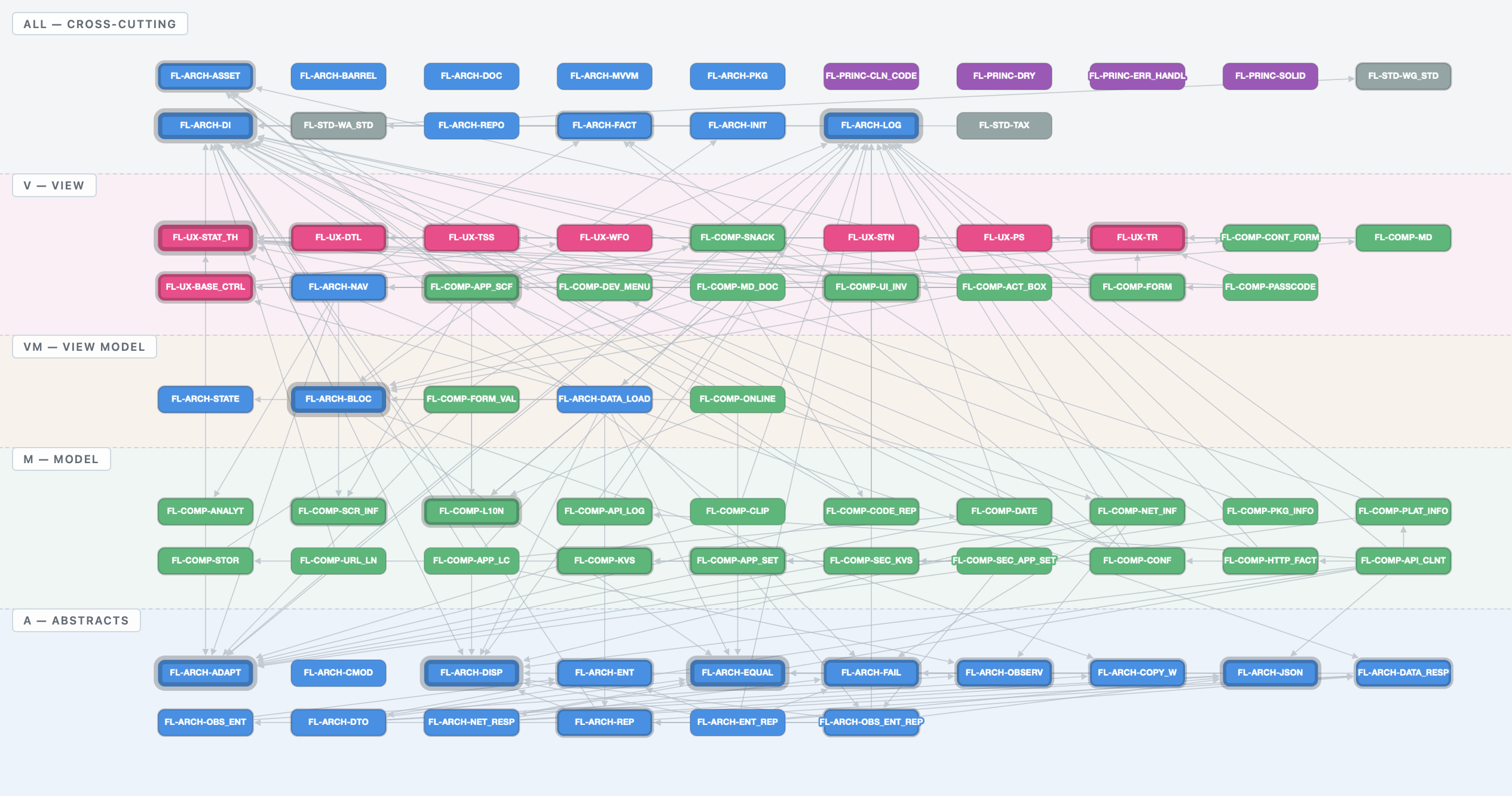
Every node is a pattern; every edge a dependency, laid out across MVVM layers — the optimized index and dependency graph are how agents discover and sequence patterns. Open it, pan and zoom, filter by category, and trace how the architecture composes.
KIX Mobile App
Application
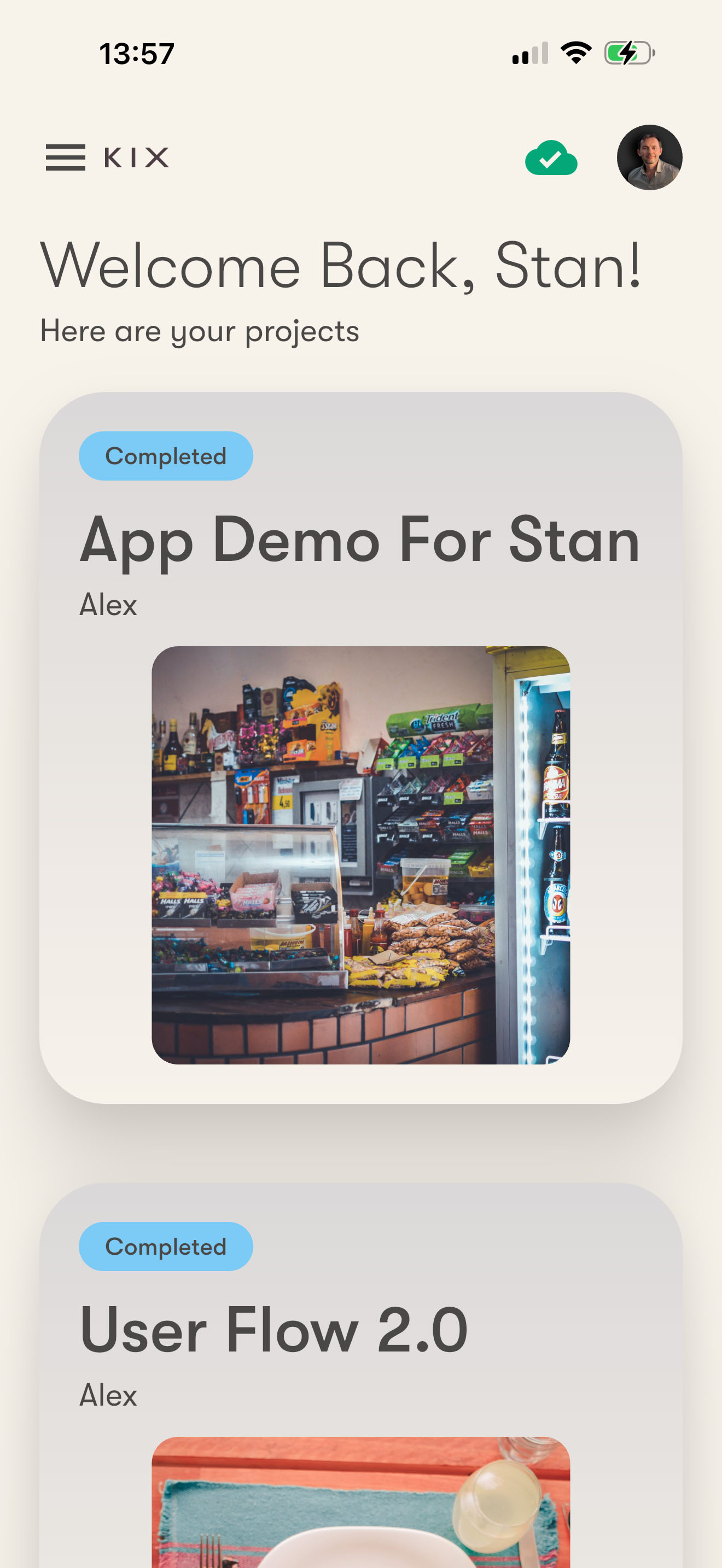
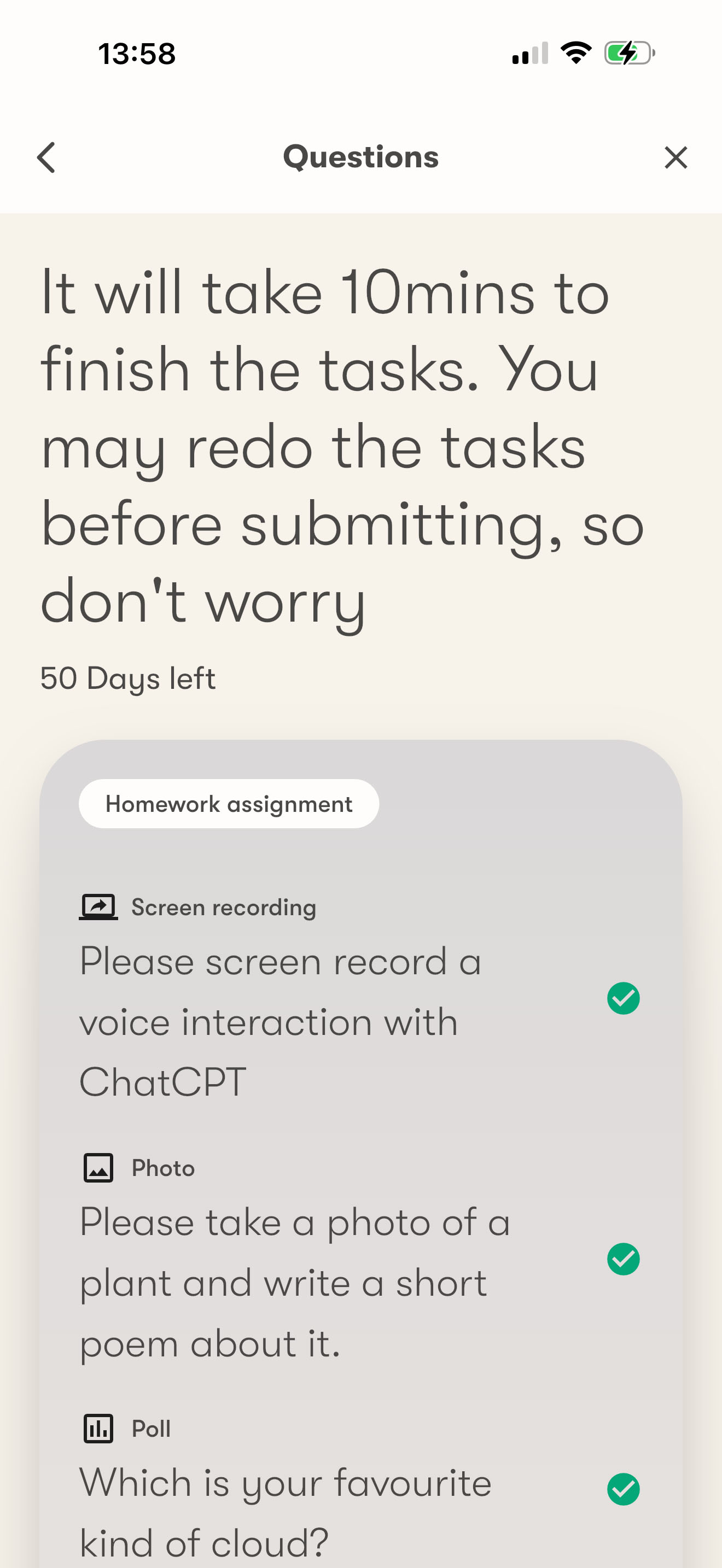
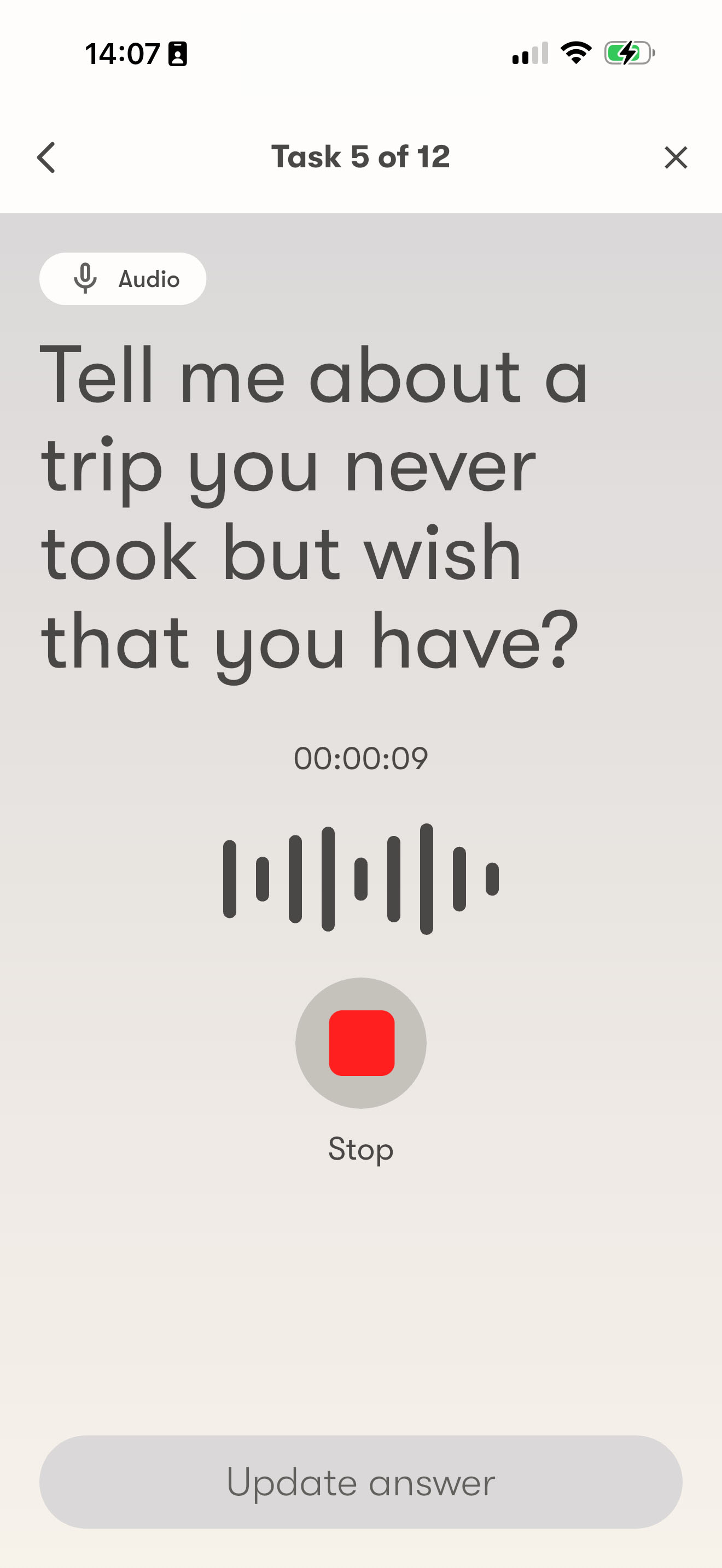
KIX is Propellerfish's research participant app: people around the world take part in paid research studies by completing project tasks — answering questions and capturing real-life moments in audio, photo and video. The Flutter app replaces the legacy native iOS and Android apps with a single codebase covering these capabilities:
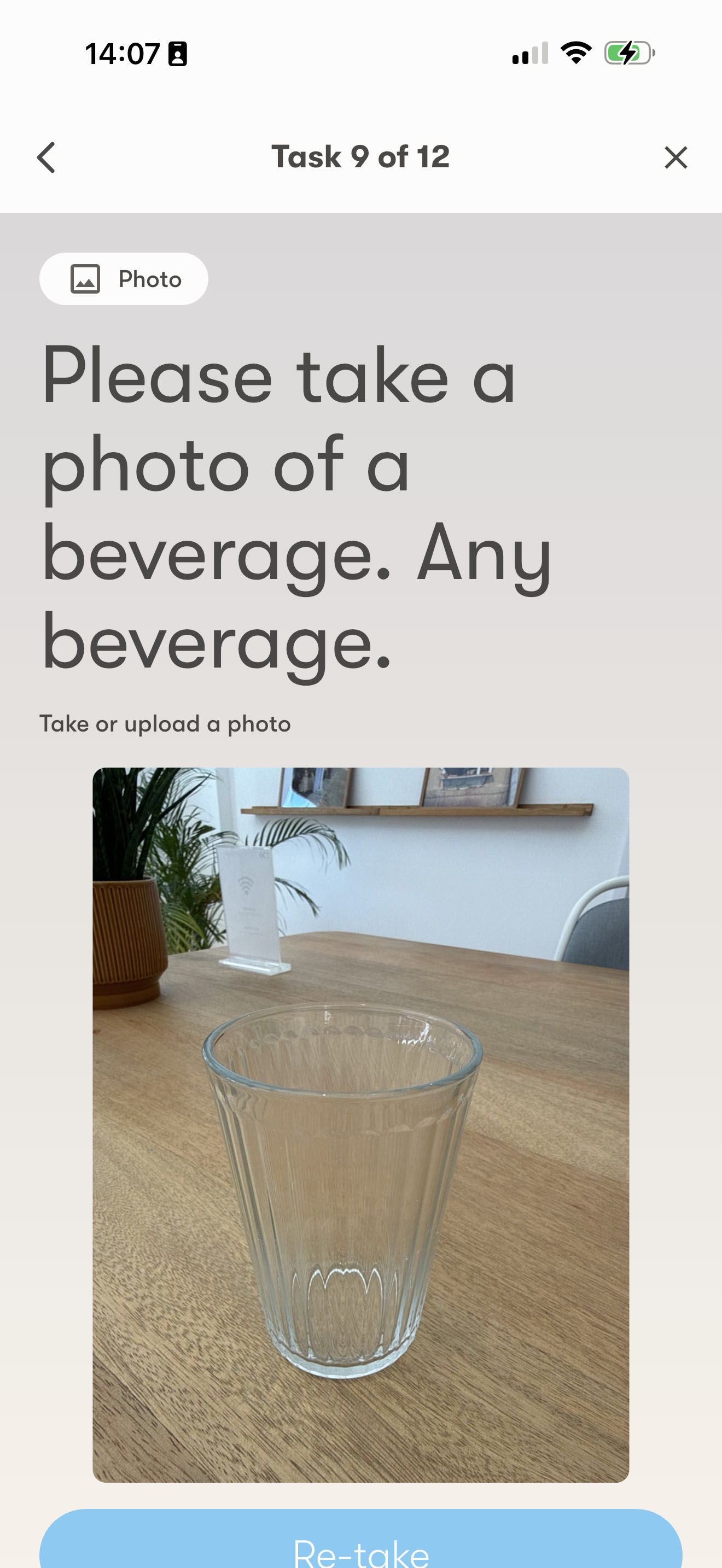
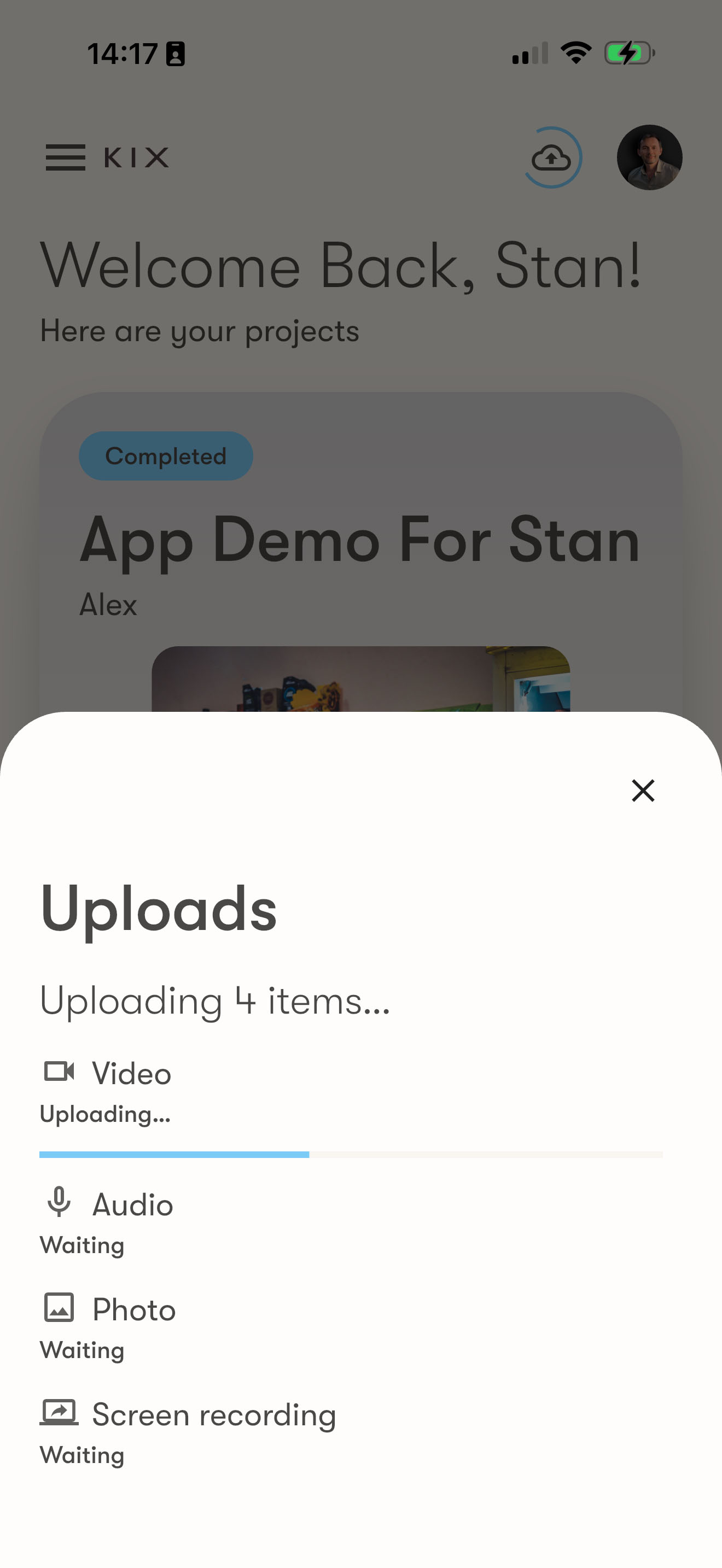
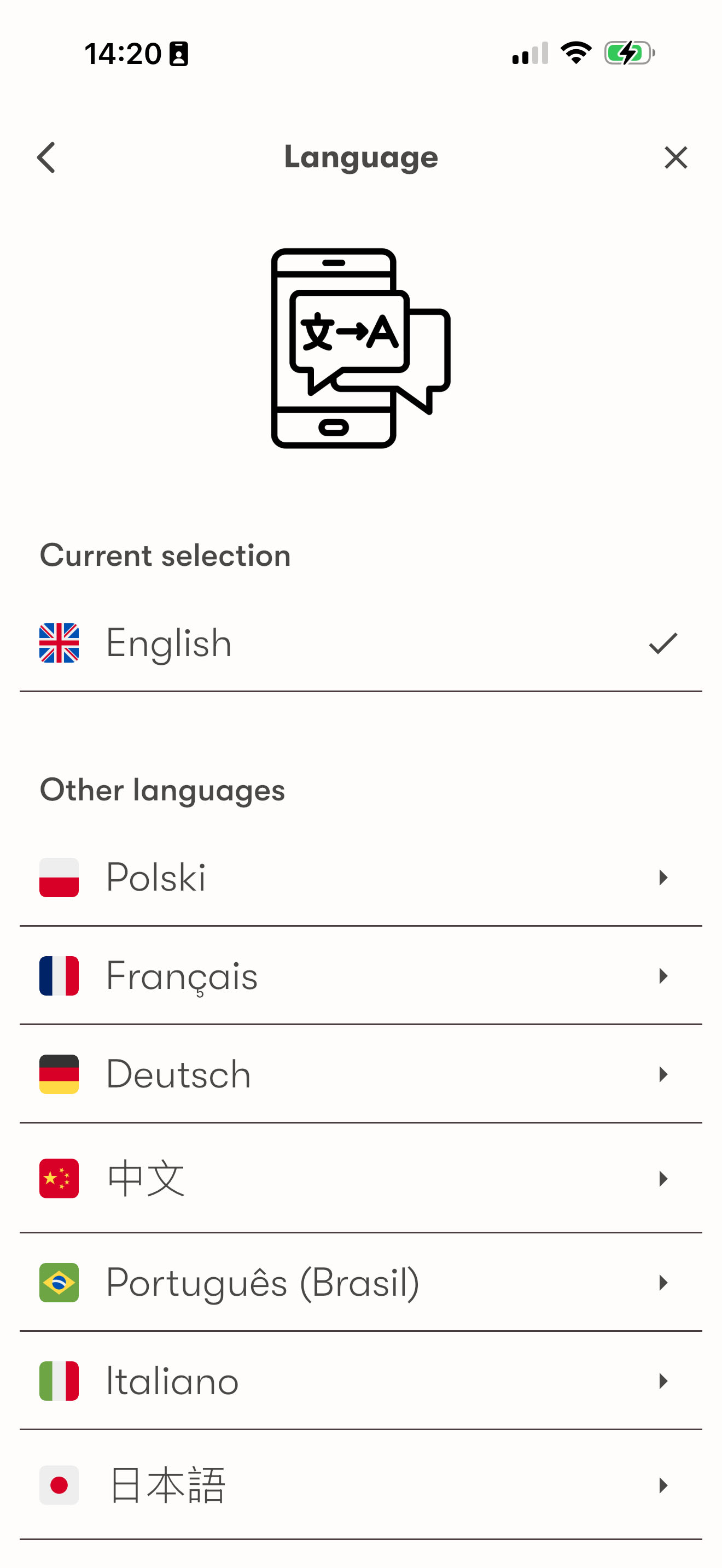
Implementation
The Agent Kit is not a code generator bolted onto delivery — it is the SDLC. Every stage below was executed by agents working from Kit patterns, harnessed through pattern-compliance and anti-pattern checks, under architect supervision.
Comprehend
Legacy iOS and Android apps reverse-engineered into implementation briefs; Figma designs and backend contracts distilled into agent-readable inputs
Scaffold
5-layer monorepo, DI and build tooling generated from the Kit's architecture blueprint
Implement & Test
Agents author features and 100% of unit tests from 100+ patterns and 500+ templates
Quality Gate
Definition of Done on every change: format, zero-warning analysis, full test suite, architect review
Release & Learn
Automated store builds and Sentry monitoring; patterns refined on KIX harvested back into the Kit
Design System
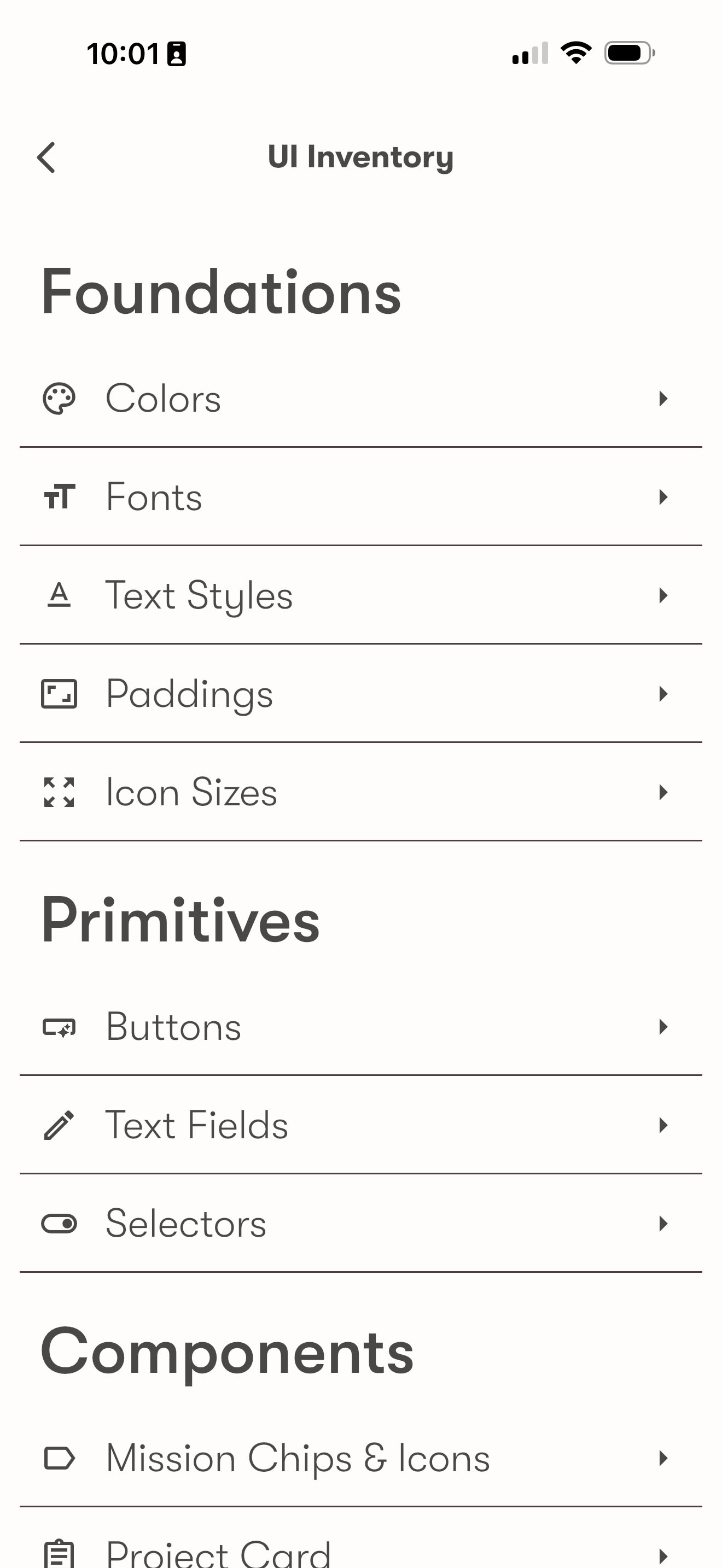
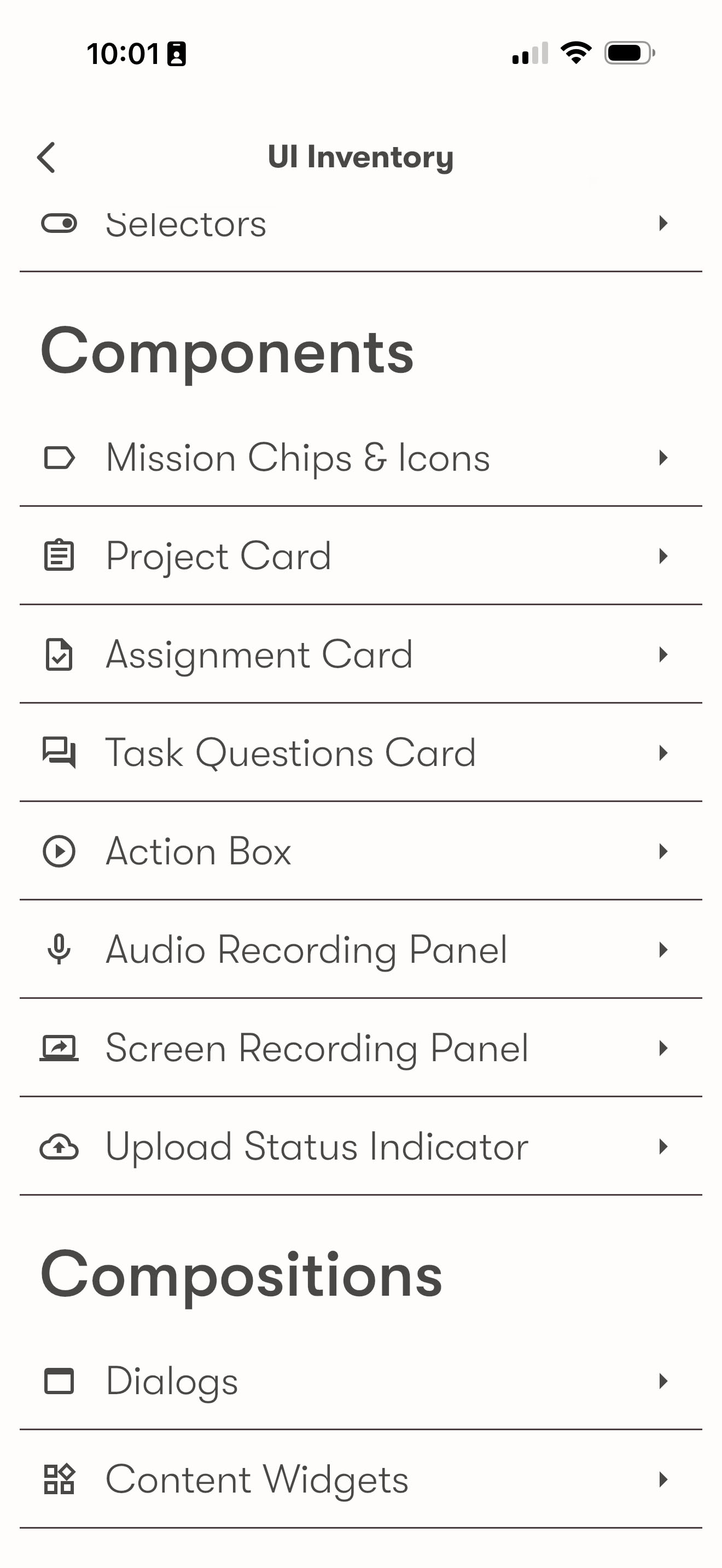
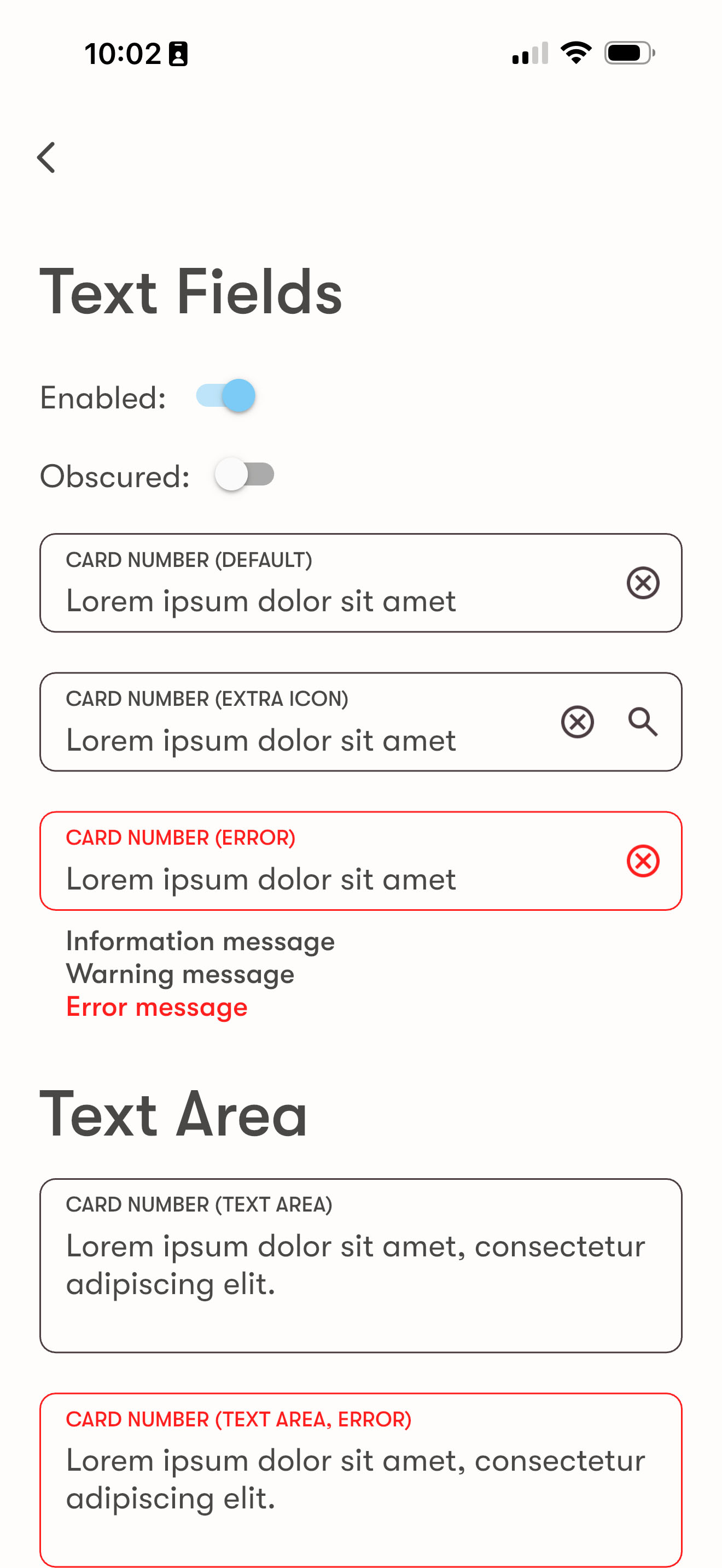
Every screen and component was translated from the Figma design system into a browsable in-app UI inventory — the pixel-fidelity bridge between design and code, and the living reference agents build against.
| View UI Inventory |
|
Architecture
The entire layering, dependency injection and testing strategy was scaffolded from Agent Kit patterns rather than designed from scratch — proven structure, applied in days instead of weeks. The result is a robust layered architecture (M-V-VM pattern, per Google's official guidance) with strict separation of concerns, ensuring testability, maintainability, and scalability.
Technology Stack
AI Engineering
Architecture
Design
Build & Tooling
Testing & Monitoring
Platforms & Release
Outcome
Legacy Replacement
Replaced legacy native iOS and Android apps with a unified Flutter codebase at full feature parity
AI-Authored Code
90%+ of production code written by agents under architectural supervision — the most challenging 10% hand-crafted
AI-Authored Tests
100% of unit-test code written by agents — 2,043 tests, every business rule covered
Delivery Velocity
A production app in about four months — roughly 2–3× conventional pace, from first commit to users' hands
Full Automation
Build, code generation, testing and release automated end to end — localized into 37 languages via AI-assisted translation
Compounding Library
Patterns refined on KIX flowed back into the Kit — every engagement makes the next one faster
Code Quality, Measured
A full-codebase quality assessment (June 2026) scored the delivered code 9.5/10 — every in-scope quality axis flawless.
What the Kit Means for Your Project
The Flutter Agent Kit is what the SDLC looks like in 2026: an AI-orchestrated delivery process I bring to every engagement. KIX is the result of applying it to a real product — here is what that means for yours.
About the Role
As a Software Architect, I directed the technical strategy of the KIX replacement end to end:
- Creator and maintainer of the Flutter Agent Kit — the pattern library, registry, agent skills and dependency tooling applied throughout this delivery
- Author of the KIX architecture — the 5-layer M-V-VM monorepo — selecting and sequencing patterns from the Agent Kit library and industry-best patterns and components
- Supervising and reviewing all agent-authored code, owning the Definition-of-Done quality gate
- Defining the legacy reverse-engineering approach that drove feature-parity porting
- Managing delivery and releases with the client's product team
As an AI-Engineer, I orchestrated the agents doing the heavy lifting:
- Driving Claude Code and Cursor through the Kit's skills — develop, test, build and library workflows
- Translating the Figma design system into app UI components and a browsable UI inventory, and generating the backend API client layer from the API contract
- Reverse-engineering the legacy iOS and Android apps into implementation briefs
- Building the delivery tooling: make targets, code generation and localization pipeline
- Authoring agent-focused specifications and context engineering throughout the project